
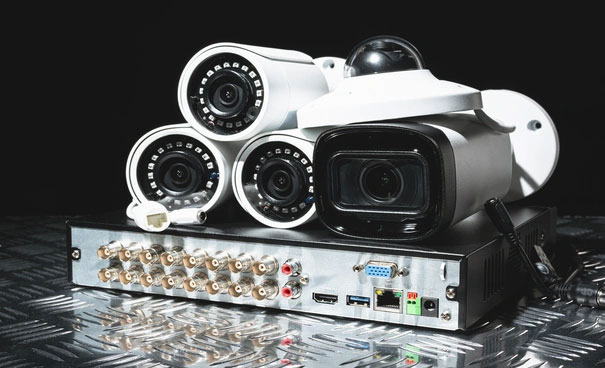
What is a DVR?
A DVR, short for digital video recorder, is an electronic device that records video content in a digital format.
DVRs record and store video on local storage devices, most commonly a hard drive.
Features and Functionalities of a DVR:
DVR can record analog video sources on-site or capture video from a digital source.
DVRs offer versatility in their recording capabilities. They can handle analog video feeds directly from security cameras on-site, providing a reliable way to capture footage without requiring an internet connection.
What’s even more interesting is that DVRs can be configured to capture digital video streams from other sources, such as network IP cameras or even video management systems.
Using this feature, businesses can easily integrate the DVR into their existing security infrastructure or even as a standalone recording solution.
Ethernet connections are generally preferred for security systems due to their reliability and ability to deliver higher bandwidths, which are vital for high-resolution video streams.
DVRs can be connected to analog cameras via coaxial cables.
Well, DVRs offer several advantages, such as superior image quality, greater storage capacity and easy searching and playback. Exactly the features businesses need for robust security surveillance!
Modern DVRs come equipped with a variety of features that enhance their usability and functionality.
Here are some of the most common ones:
- Record video from multiple cameras simultaneously, providing comprehensive surveillance coverage.
- Schedule recordings for specific times or events, ensuring you capture important moments.
- Trigger recording only when motion is detected, saving storage space and reducing irrelevant footage.
- View live footage or playback recordings from a remote location via an internet connection (on specific models).
- Receive notifications on your phone or email when motion is detected or other predefined events occur.